Lawn Care Basics
How to Fix Brown Patches and Bare Spots in the Lawn
A step-by-step guide to diagnosing and repairing bare spots and brown patches in your lawn, from pet urine burns to grub damage and drought stress.
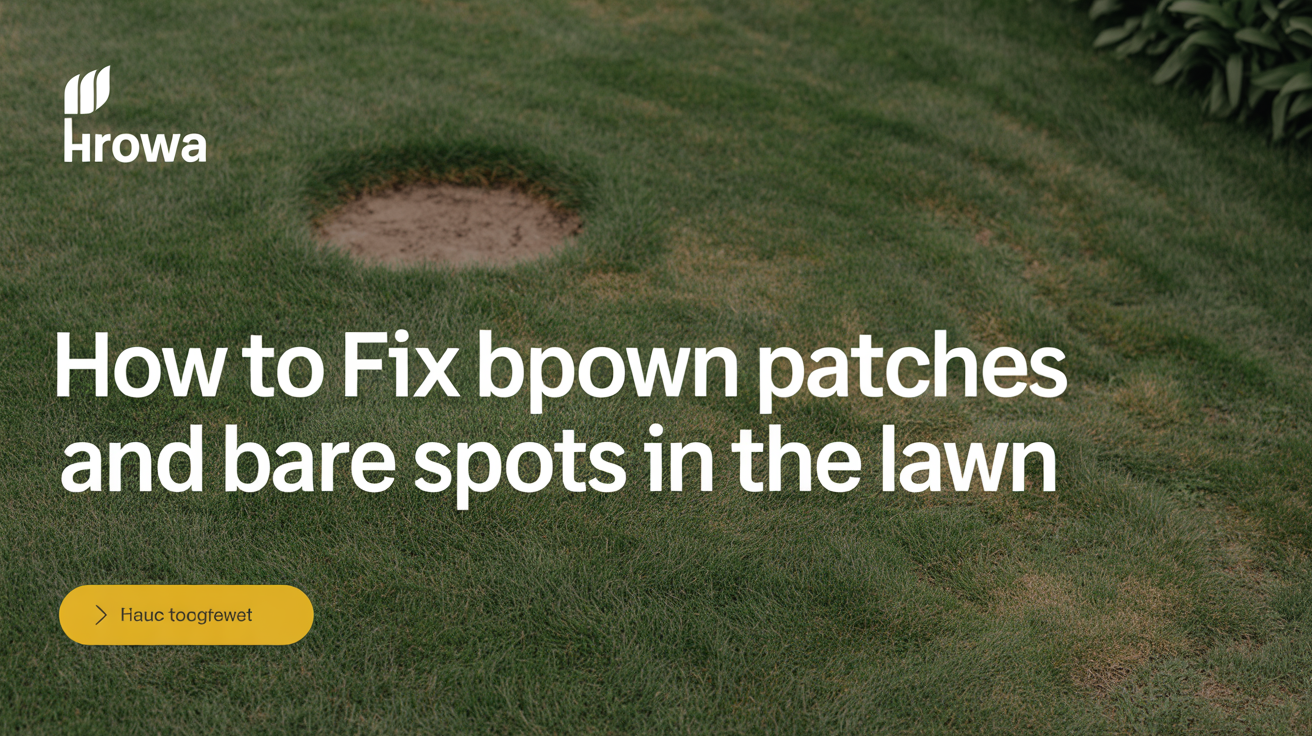
Bare spots and brown patches are two of the most common complaints home gardeners bring up, and the fix is usually straightforward once you know what caused them. Before you scatter seed or roll out a piece of sod, spend five minutes figuring out why the grass died there in the first place. Skipping that step is how the same patch dies twice.
Diagnose Before You Repair
Reseeding over an unresolved problem is a short-term fix at best. Here are the most common culprits and how to tell them apart.
Pet Urine Burns
Dog urine is high in nitrogen and salts. The damage shows up as a roughly circular dead zone, often with a ring of dark green, lush grass around the edge. That green ring is getting a diluted nitrogen boost; the center got too much. If you have a dog and the spots are round and scattered along regular routes, this is almost certainly the cause.
Grub Damage
White grubs feed on grass roots through late summer and early fall. Affected turf feels spongy, and dead patches pull up like loose carpet because the roots have been severed. Roll back a section of damaged turf and look for C-shaped white larvae in the top two inches of soil. A handful per square foot is a problem worth treating before reseeding.
Fungal Disease
Brown patch fungus (common in hot, humid conditions) and dollar spot (small bleached ovals) both leave irregular patterns that can be confused with drought stress. Look at the blades themselves: fungus usually leaves discolored lesions or a tan, straw-colored center on individual blades. Drought stress tends to cause uniform wilting across a section rather than distinct spots.
Drought and Heat Stress
Cool-season grasses go dormant and turn brown when temperatures spike and water is scarce. If the whole lawn went tan at the same time and perks back up with rain or irrigation, that was dormancy rather than death. Spot damage in high-traffic areas or near pavement, though, often means the soil dried out too fast for the roots to survive.
Soil Compaction
Compacted soil pushes air out and makes it hard for roots to penetrate. Thin, struggling grass in areas you walk across constantly, or where vehicles park, is often suffering from compaction rather than any pest or disease. Push a screwdriver into the soil: it should slide in six inches with moderate pressure. If you have to force it, the soil needs aerating before seed will establish well.
Timing the Repair
The season matters more than most people realize. Reseeding into the wrong window wastes seed and effort.
For cool-season grasses (fescue, bluegrass, ryegrass), late summer through early fall is the best window. Soil is still warm enough for germination but air temperatures have backed off. Early spring works too, though weed competition is higher. Avoid seeding in midsummer heat.
For warm-season grasses (Bermuda, zoysia, St. Augustine), late spring through early summer is the right time. Soil needs to be consistently warm (at least 65F at two-inch depth) for the seed or plugs to take.
If you are outside the ideal window, you can still prep the area and hold off on seed. A covered spot of bare dirt is not getting worse while you wait for the right time.
How to Patch a Lawn Step by Step
Once you have identified the cause and addressed it (treat grubs, flush pet spots with water, aerate if compacted), the repair itself follows a consistent process.
1. Clear the dead material. Use a stiff rake or a hand cultivator to remove dead grass blades, thatch, and any loose debris down to the soil surface. You want seed making contact with soil, not sitting on a mat of dead plant matter.
2. Loosen the top inch of soil. Scratch the surface with a garden fork or the back of a rake. For small spots, a hand cultivator works fine. Compacted soil gets a firmer going-over or a pass with a core aerator if the area is large.
3. Amend if needed. Add a thin layer (no more than a quarter inch) of compost or a seed-starting mix for very thin or sandy soils. You are not rebuilding the entire soil profile; you are giving seedlings a soft, moisture-retentive surface to root into.
4. Seed generously. Use a grass seed that matches the rest of your lawn. Spread at the rate listed on the bag for new seeding (generally higher than the overseeding rate). Press seed into the soil with your foot or a hand roller.
5. Cover lightly. A thin layer of straw mulch, peat moss, or seed-starting mulch holds moisture and protects seed from birds. Aim to cover about 75 percent of the surface; too thick and you block light.
6. Water carefully and consistently. Keep the top inch of soil moist until germination. That usually means light watering once or twice a day for the first two weeks rather than one deep soak. Once seedlings are an inch tall, begin transitioning to a deeper, less frequent schedule. For more on how to set a watering rhythm, see how often and how deep to water your lawn.
7. Hold off on mowing. Let new grass reach about three inches before the first cut. Mow no lower than two and a half inches on a new patch to avoid stressing young roots. For guidance on height by grass type, see how high you should cut your grass.
Common Causes at a Glance
| Cause | Visual Clue | Fix Before Reseeding |
|---|---|---|
| Pet urine | Round dead zone, green ring edge | Flush area with water; redirect dog if possible |
| Grub damage | Turf lifts like carpet | Treat grubs; let soil settle a week before seeding |
| Fungal disease | Lesioned blades, irregular pattern | Apply appropriate fungicide; improve drainage |
| Drought/heat | Uniform browning in hot spells | Check dormancy vs. death; restore watering |
| Compaction | Thin grass in traffic areas | Core aerate; add compost before reseeding |
Preventing Bare Spots from Coming Back
Repairs work better when the rest of the lawn is healthy enough to fill in around a patch quickly.
Mowing height plays a larger role than most people expect. Cutting too short weakens root systems and makes the turf more vulnerable to heat, drought, and traffic. Keeping grass at the upper end of the recommended range shades the soil, reduces evaporation, and crowds out weeds.
Watering deeply rather than shallowly encourages roots to grow down rather than stay near the surface. Shallow roots are the first to fail in dry spells.
Overseeding thin areas annually before problems become bare spots is far easier than repeated patch repairs. A fall overseeding pass (for cool-season lawns) can fill in worn spots while the existing turf is still in place to protect the soil. You can plan this into your yearly routine using a month-by-month lawn care calendar so the timing does not sneak up on you.
For pet owners, rinsing high-traffic spots with water immediately after the dog uses them dilutes the salts before they build up. Designated bathroom areas away from the main lawn help too.
Frequently Asked Questions
Can I use topsoil to fill in bare spots? You can use topsoil, but it needs to be worked into the existing soil rather than just piled on top. A straight topsoil layer that sits above the surrounding grade can actually shed water rather than absorb it. A mix of topsoil and compost, scratched in so it blends with the surface, works better for seedbed preparation.
How long does it take for a patched area to fill in? Cool-season grasses typically germinate in seven to fourteen days under good conditions and look reasonably full in four to six weeks. Warm-season grasses spread vegetatively from plugs or sprigs and may take a full growing season to fully knit in. Sparse coverage at four weeks does not necessarily mean failure; some grasses are just slower starters.
My patches keep coming back in the same spot every summer. What should I do? Recurring damage in exactly the same location usually points to a persistent condition: compacted soil, poor drainage, tree root competition, or an underground irrigation issue. If you patch and it dies again, dig a few inches down and look at what is happening below the surface. Sending a soil sample to your local extension service can identify pH or nutrient problems that are not visible from above.
Is it okay to patch in fall even if I missed the ideal window? For cool-season grasses, fall is actually the best window, not a missed one. If you are in mid-autumn and soil temperatures are still above 50F, seed will germinate. If the ground is about to freeze, hold the seed until early spring. Seed lying in cold, frozen ground will not germinate; it will either rot or wash away.
Do I need to fertilize when reseeding a bare spot? A starter fertilizer (higher in phosphorus, which supports root development) applied at seeding time helps establishment. Avoid high-nitrogen fertilizers on very new seedlings; they push top growth faster than the roots can support it. Always follow label rates and check whether your municipality has any restrictions on phosphorus use near waterways.