Weeds & Pests
How to Get Rid of Moss in the Lawn
Moss moves in when grass is struggling. This guide covers why moss grows, how to kill it, and what to fix so it doesn't come back.
Moss spreads fast in a lawn that's already thin. The good news is that killing it isn't complicated, and the same steps that remove it also fix the conditions that let it take hold in the first place. This guide walks through the whole process, from understanding why moss is there to keeping it gone.
At a Glance
- Moss moves into lawns where grass is already weak, usually from low soil pH, shade, compaction, poor drainage, or mowing too short.
- Ferrous sulfate (iron sulfate) is the standard treatment: it blackens moss within days, but dead moss still has to be raked or scarified out.
- Killing the moss without fixing the cause buys you a year or two at most before it returns.
- A soil test is the cheapest, most useful first step; it tells you whether pH, drainage, or fertility is the real problem.
- Budget six to twelve months, not one weekend, to see the lawn genuinely improve.
- Fine fescues tolerate shade better than most common lawn grasses, and are worth trying before giving up on grass in a shady spot entirely.
Why Moss Grows in Grass
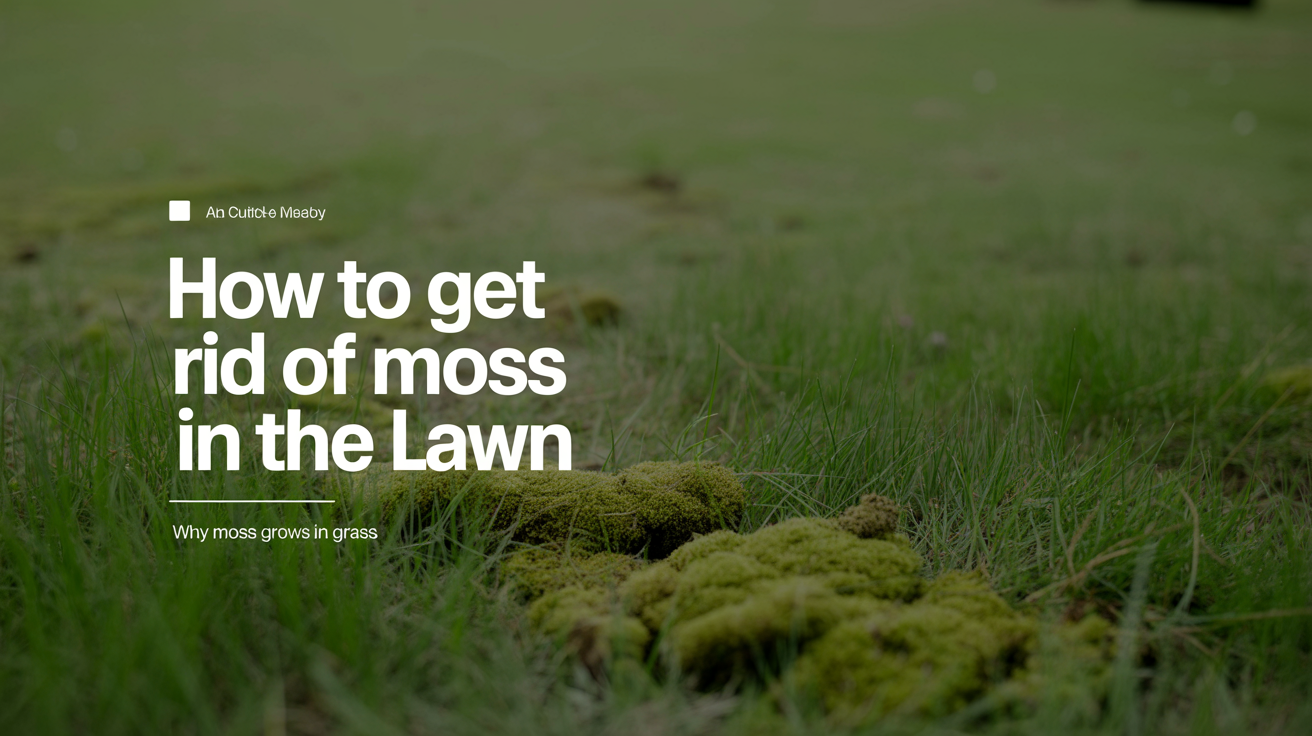
Moss doesn't invade a healthy, vigorous lawn. It moves into gaps where grass is already weak or missing, and it does particularly well where conditions suit it far better than they suit turf grasses. Penn State Extension sums up the pattern simply: moss is most commonly associated with shallow, rocky soils, poor soil fertility, and low soil pH, exactly the conditions where turf grass struggles to compete.
The most common reasons moss establishes include:
- Low soil pH. Most lawn grasses grow best at a pH between 6.0 and 7.0. Below 5.5, grass thins out and moss finds the environment more hospitable. A soil test is the only reliable way to know where your pH sits.
- Shade. Moss tolerates low light levels that turf grasses find difficult. A lawn under heavy tree canopy or on a north-facing slope is a natural target.
- Compaction. Hard, compacted soil reduces drainage and air movement in the root zone. Grass roots struggle; moss, which grows along the soil surface, doesn't need deep rooting and doesn't much care.
- Wet or poorly draining ground. Moss thrives in persistently damp conditions. If a patch of your lawn stays soggy after rain, moss will find it before long.
- Thin, sparse turf. Bare patches and sparse grass are open invitations. Once the grass coverage drops, moss fills the space quickly.
- Mowing too short. Scalping the lawn stresses the grass and reduces its ability to shade out competitors, moss included.
Understanding which of these factors applies to your garden matters, because killing the moss without addressing the cause is only ever a short-term fix. The moss will be back, often within a single growing season if nothing else changes.
How to Kill Existing Moss
The most effective and widely available treatment for moss is ferrous sulfate (iron sulfate). Clemson HGIC lists it, along with related iron formulations like ferrous ammonium sulfate and Fe HEDTA, among the standard chemical controls; these products work as desiccants, drying the moss out rather than poisoning it the way a systemic herbicide would. It's sold as a lawn moss killer on its own or as part of an autumn lawn feed-and-moss-kill product. When applied to moss, it blackens and kills it within days.
Using Ferrous Sulfate
Apply ferrous sulfate as a diluted solution using a watering can or garden sprayer, following the rates on the product label exactly. It's a good idea to water the lawn the day before if conditions are dry, as the product works better on moist growth.
A few practical notes:
- Protect hard surfaces. Ferrous sulfate will permanently stain concrete, paving, and decking a rusty brown. Rinse any accidental splashes immediately, and cover nearby surfaces with plastic sheeting if you're treating a large area next to a patio.
- Timing matters. Autumn is the traditional time to apply moss killers in the UK and northern US because moss is actively growing in cool, damp weather. Clemson's guidance notes these products work best from winter through early spring, when moss is in active growth and grass is less likely to be stressed by the treatment. Spring works too, but avoid high-summer applications when the lawn is under heat stress.
- Dead moss still needs removing. After about two weeks the treated moss will turn black. At that point it needs scarifying out, or it will just mat down and create fresh bare patches for moss to recolonise.
Scarification
Scarification is the process of raking or mechanically thinning the lawn to remove dead moss, thatch, and debris. A spring-tine rake does the job on smaller areas, pulling out a surprising amount of material even from a lawn that looked only lightly mossy. For a larger lawn, a petrol or electric scarifier makes it far less exhausting; expect to fill several tarps or a trailer load of debris from an average-sized suburban lawn that has had moss for more than a season or two.
Be prepared: scarification looks brutal. The lawn will look patchy and rough immediately afterwards. That's normal. Overseed any bare areas straight after, water well, and the grass will fill back in over the following weeks.
Fixing the Underlying Causes
This is the step that determines whether you're dealing with a one-off problem or an annual chore. Removing the moss buys time; changing the conditions keeps it away. NC State Extension puts it plainly: physical or chemical removal of moss will only be temporary unless the growing conditions that favor it are actually improved.
Adjust Soil pH
If a soil test shows your pH is below 6.0, apply garden lime (calcium carbonate) to raise it. Rates depend on how acidic the soil is and what type of soil you have; the test report should include guidance, but a common starting point on moderately acidic clay soil is around 20-50 pounds of lime per 1,000 square feet, split into two applications six months apart rather than one heavy dose. Lime works slowly, so test again after six months to see where things stand. Ferrous sulfate, used repeatedly over years, gradually lowers pH as a side effect, so regular soil testing is worth building into your lawn care routine.
Improve Drainage and Reduce Compaction
Hollow-tine aeration is the most direct way to address both problems at once. A hollow-tiner pulls small cores of soil out of the ground, which relieves compaction and opens channels for water movement. After aerating, brush sharp sand or a sandy compost topdressing into the holes to keep them from closing back up; that same light topdressing after aeration improves soil structure at the same time.
On lawns with more serious drainage problems, you may need to look at how the land is graded, whether there are low spots that pool water, or whether a perched water table is at work. Those are larger projects, but aerating annually in autumn is a good place to start for most lawns.
Manage Shade
If heavy shade is the main issue, your options are to thin the tree canopy overhead, accept that you'll be overseeding regularly with a shade-tolerant grass mix, or consider whether a different ground cover might be more realistic in that particular spot. A grass lawn under dense, year-round shade is a constant battle. Fine fescues are the most shade-tolerant common lawn grasses and are worth trying before giving up on grass entirely; they can often hold turf under 60-70% shade where Kentucky bluegrass would thin out within a season.
Keep the Turf Thick
A dense, well-fed lawn crowds out moss and other opportunistic plants naturally. Overseed thin areas each autumn with a grass mix suited to your conditions. Feed the lawn with a balanced fertiliser in spring and again in late summer, avoiding high-nitrogen applications going into winter. Raise your mowing height slightly if you have been cutting short; taller grass shades the soil surface and competes harder.
For comparison, the same principle applies to many other lawn weeds. Crabgrass and clover also exploit thin, stressed turf, so the cultural steps that suppress moss tend to help across the board. It's also worth understanding how timing affects any treatment you apply; pre-emergent versus post-emergent approaches explain the difference for those planning a broader weed management programme.
A Simple Moss Removal Plan
If you want a step-by-step approach, this sequence works for most lawns:
- Take a soil test to check pH and basic nutrient levels.
- Apply ferrous sulfate in early autumn or spring according to label rates.
- Wait two weeks for the moss to blacken and die.
- Scarify the lawn thoroughly to remove dead moss and thatch.
- Aerate compacted areas with a hollow-tiner.
- Overseed bare patches with a suitable grass mix.
- Apply lime if the soil test indicated low pH (don't apply lime and ferrous sulfate at the same time; space them by at least a month).
- Topdress with compost or sandy loam to level any low spots.
- Water regularly until the new seed establishes.
This won't happen overnight. Budget six to twelve months before you see the lawn noticeably improved, and expect to repeat some of these steps, particularly overseeding and aerating, as part of a regular autumn routine.
Moss Symptom Checker
Not every mossy patch has the same root cause. Use this quick reference to point yourself toward the most likely fix before you spend money on treatments.
| What you notice | Most likely cause | First fix to try |
|---|---|---|
| Moss under trees, grass thin nearby too | Shade | Prune canopy, overseed with fine fescue |
| Moss in a low spot that stays soggy after rain | Poor drainage | Aerate, consider regrading |
| Moss spread across most of the lawn, grass pale overall | Low soil pH or low fertility | Soil test, lime, and balanced fertilizer |
| Moss in high-traffic paths and near driveways | Compaction | Core aeration, reduce foot traffic |
| Moss appears only after mowing short | Scalping | Raise mower deck height |
Frequently Asked Questions
Can I just rake the moss out without using a chemical treatment?
Yes, though it's less efficient on heavy infestations. Physical removal by raking or scarifying will shift a lot of moss, but living fragments left in the soil can regrow. Ferrous sulfate kills the moss first so scarification removes dead material rather than viable plant matter. If you prefer to avoid chemicals, thorough scarification followed by improving the underlying conditions is still effective over time, it just takes longer to see results.
Is ferrous sulfate safe for children and pets?
Once dried, ferrous sulfate is considered low risk, but keep children and pets off the lawn until the treated area has dried fully after application. Always store products in their original containers, out of reach of children, and wash hands after handling. Follow the product label, which is the legal and most accurate source of safety information for the specific formulation you're using.
Will moss come back after treatment?
It will return if the conditions that favoured it haven't changed. A single treatment without any follow-up on drainage, pH, shade, or turf density is likely to give you a year or two of respite at most. The combination of treatment and cultural improvement is what produces lasting results.
Are there moss killers other than ferrous sulfate?
Some lawn care products use iron in other forms, or combine iron with nitrogen and potassium in an autumn lawn feed. Potassium and ammonium salts of fatty acids are another category sometimes used on moss and algae. Dichlorophen-based products have been used historically but availability varies by country and some formulations have been withdrawn. Ferrous sulfate remains the most accessible and well-tested option for home lawns. Whatever product you choose, read the label for application rates, safety guidance, and any restrictions on use near water features or drains.
What if the mossy area is heavily shaded and nothing else will grow there?
In deep, persistent shade where even shade-tolerant grass mixes struggle to establish, it may be worth considering alternative ground covers such as wood chip mulch under a tree, or shade-tolerant perennial plants that will fill the space more reliably than grass. There's no shame in working with what you have rather than fighting conditions the lawn can't win against.
How can I tell if my moss problem is really a drainage problem?
Dig a small test hole, about a foot deep, in the mossy area after a dry stretch of a few days. If it still has visible standing water or feels saturated at the bottom, drainage is likely a major factor, not just shade or pH. Persistent moss in low spots that never seem to dry out is one of the more reliable signs that regrading or a drainage line is worth the investment, rather than repeat rounds of ferrous sulfate that only treat the symptom.