Seeding & Sod
Why Grass Seed Still Hasn't Sprouted Two Weeks After Planting
Grass seed not growing after two weeks? Work through five common causes, from planting depth to a crusted surface, and learn when it's time to reseed.
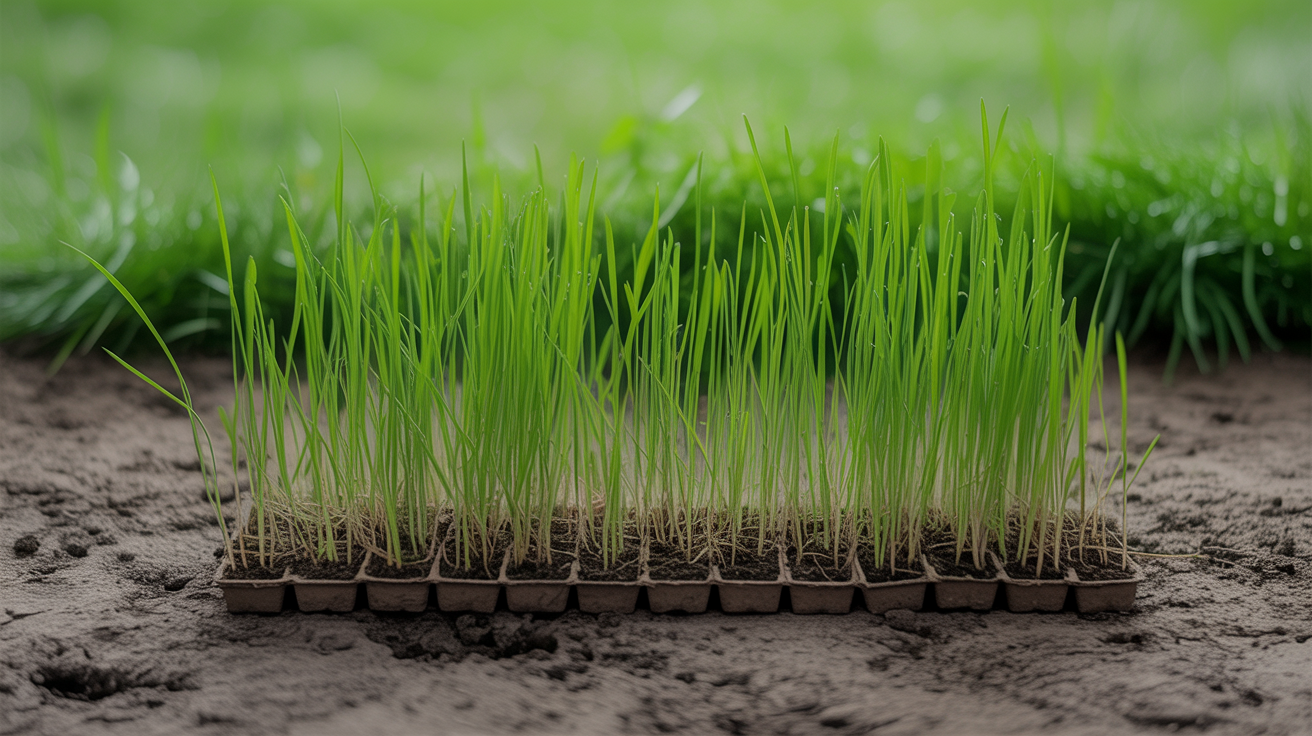
Two weeks is long enough to know something's wrong. Most cool season grasses show green fuzz in 7 to 14 days, and warm season types like Bermuda or zoysia aren't far behind in the right conditions. When grass seed not growing is the situation staring back at you from a bare strip of dirt, staring harder at it won't help. Work through the checklist below in order. Each cause has a quick way to check it and a fix that doesn't involve tearing the whole area up.
Check the Planting Depth First
Depth problems are the single most common reason grass seed not sprouting shows up in search results, and it's an easy one to get wrong because the "right" depth is barely anything at all. Most turf seed wants to sit about a quarter inch deep, maybe an eighth of an inch for the smallest seed like bentgrass or fine fescue. Bury it deeper than that and the sprout runs out of stored energy before it reaches daylight. Leave it sitting on top, uncovered, and it dries out in an hour of sun or gets picked off by birds before it ever swells.
How to Check It
Dig gently in two or three spots with a garden fork or even your fingers. If you see seed sitting more than half an inch down, or you see seed lying loose right on the surface with no soil contact at all, you've found your problem.
What to Do
For buried seed, there's not much to do but wait a little longer, since some of it may still push through, or rake the area lightly to loosen the top layer and reseed on top at the correct depth. For exposed seed, rake it in lightly (a leaf rake dragged once or twice over the area works fine) and top it with a thin layer of straw or a seed-starter mulch to hold it in place.
Is the Seedbed Drying Out Between Waterings
Grass seed doesn't have roots yet, so it can't reach down for moisture the way established turf can. The top half inch of soil is its entire world, and that layer dries out fast, sometimes within a few hours on a warm, breezy afternoon. If watering has been inconsistent, seed that germinated on day 3 may have died on day 4 when nobody watered it, and the surviving seed just hasn't gotten a fair shot yet.
How to Check It
Push a finger into the seedbed an hour or two after your last watering. If it's dry to the touch at a half inch down, your schedule isn't keeping pace with the weather.
What to Do
New seed generally needs light watering once or twice a day, just enough to keep the surface consistently damp without pooling. Once you see germination, back off to less frequent but deeper sessions. Our watering guide covers how to translate that into actual minutes for your sprinkler setup, since a sprinkler that looks like it's soaking the yard can still deliver almost nothing if the pressure is low or the pattern is uneven.
Did You Seed at the Wrong Time of Year
Grass seed germinates on soil temperature, not the calendar and not how warm the air feels. Cool season grasses like tall fescue, perennial rye, and Kentucky bluegrass want soil in the roughly 50 to 65 degree range, which usually lines up with early fall or spring. Warm season grasses want soil closer to 65 to 70 degrees and up, which means late spring into summer. Seed one type in the other type's window and it can sit there for weeks doing very little, or germinate so slowly and weakly that it looks like failure even though it technically isn't dead.
How to Check It
A cheap soil thermometer pushed a couple inches into the seedbed tells you more than a weather app. If your grass type's ideal range and your actual soil temperature aren't close, that's likely at least part of the story.
What to Do
If you're outside the window, patience is genuinely the answer for a few more weeks, or you accept that this batch is a loss and replant at the right time. Our full walkthrough on starting a new lawn from seed breaks down the ideal seeding windows by grass type and region, worth reading before your next attempt.
Rule Out Birds and Wind
Birds treat a freshly seeded lawn like a buffet, and they're especially efficient at cleaning up seed that's sitting exposed on the surface rather than worked into the soil. Wind does similar damage in a different way, especially on a slope or in an open yard, by rolling loose seed downhill or piling it up against a fence line or curb where it germinates in a clump instead of spread evenly.
How to Check It
Look for uneven bare patches with visible seed accumulation nearby, low spots, curb edges, or the base of a slope. A scattering of bird tracks or droppings in the seeded area is also a giveaway.
What to Do
A light straw covering does double duty here, shading the seed from drying out and making it harder for birds to find and wind to move. For a small area, a floating row cover or seed-germination blanket works even better, though it's overkill for a full yard. If seed has already migrated to one spot, rake it back out toward the bare patches rather than leaving a thick clump in one corner.
A Crusted Soil Surface Can Block Emergence
This one catches people who did almost everything right. Heavy clay soil, or any soil that got compacted and then dried hard after a watering, can form a thin crust on top. A sprouting seed underneath that crust has to push through it to reach light, and a surprising number of them simply can't manage it. The seed germinates, the tiny shoot dies trying to break through, and from above it just looks like nothing ever happened.
How to Check It
Press a finger firmly into the seedbed. If the surface feels hard or crusty rather than loose and crumbly, and you can see it's actually a thin, distinct layer rather than just firm soil throughout, that's your culprit.
What to Do
Break the crust gently with a rake, working just the top quarter inch so you don't disturb seed that's sitting deeper and still viable. A light top-dressing of compost or fine topsoil afterward helps keep a new crust from forming, and it's worth doing before you reseed rather than after, since reseeding on top of a crust just repeats the problem.
When to Give Up and Reseed the Patch
At some point, waiting stops being patience and starts being denial. If you've confirmed proper depth, kept the bed consistently moist, seeded within the right temperature window for your grass type, protected it from birds and wind, and broken up any surface crust, and you're still looking at bare dirt after two to three weeks past the expected germination window for your species, that seed likely isn't coming. Seed that's been sitting wet and warm for that long without sprouting has often rotted or been eaten by soil organisms.
The good news is that reseeding a patch is a small job, not a whole-lawn project. Loosen the top inch of soil, work in a bit of compost if the soil looked compacted, spread fresh seed at the depth and rate the label recommends, and commit to the watering schedule this time. Our guide to repairing a patchy lawn with seed walks through the exact steps for spot-seeding without wasting seed or overdoing the fertilizer on a patch that small.
Don't dump a second full application of seed on top of the first without checking why the first one failed. If the cause was watering or timing, you'll just watch the second batch fail the same way.
Frequently Asked Questions
How long should I wait before assuming grass seed failed?
Give it the full germination window for your specific grass type, which most seed bags print right on the label, then another 5 to 7 days of buffer for cooler weather or uneven watering. Past that, with consistent care already in place, it's reasonable to reseed rather than keep waiting.
Can grass seed still sprout after two weeks?
Yes, some seed is simply slower, especially in cooler soil or with fescue and bluegrass blends that include a mix of germination speeds by design. Don't rip up the whole bed at the two week mark. Check the specific causes above first, and only reseed the spots that are truly bare once you're past the expected window.
Does old grass seed lose the ability to sprout?
It can. Grass seed loses viability over time, faster if it was stored somewhere warm or damp. Seed more than 2 to 3 years old, or seed that was left in a garage through a hot summer, can have a germination rate low enough that a normal planting looks like it failed even when the technique was fine.
Will watering more fix seed that hasn't sprouted?
Only if under-watering was actually the cause. Overwatering an already-saturated bed can rot seed or wash it into low spots, making things worse. Check soil moisture at a half inch deep before adding more water, rather than assuming more is automatically better.
Is it normal for seeded grass to come in unevenly?
Some unevenness is normal, since soil contact and moisture always vary slightly across a yard. Large bare sections next to thick green patches usually point to one of the causes above rather than normal variation, and are worth investigating rather than accepting as typical.