Yard & Landscaping
Landscaping a Slope to Stop Erosion
Learn how to landscape a slope with practical erosion control on a hill: choosing plants, building terraces, and stopping soil washing away for good.
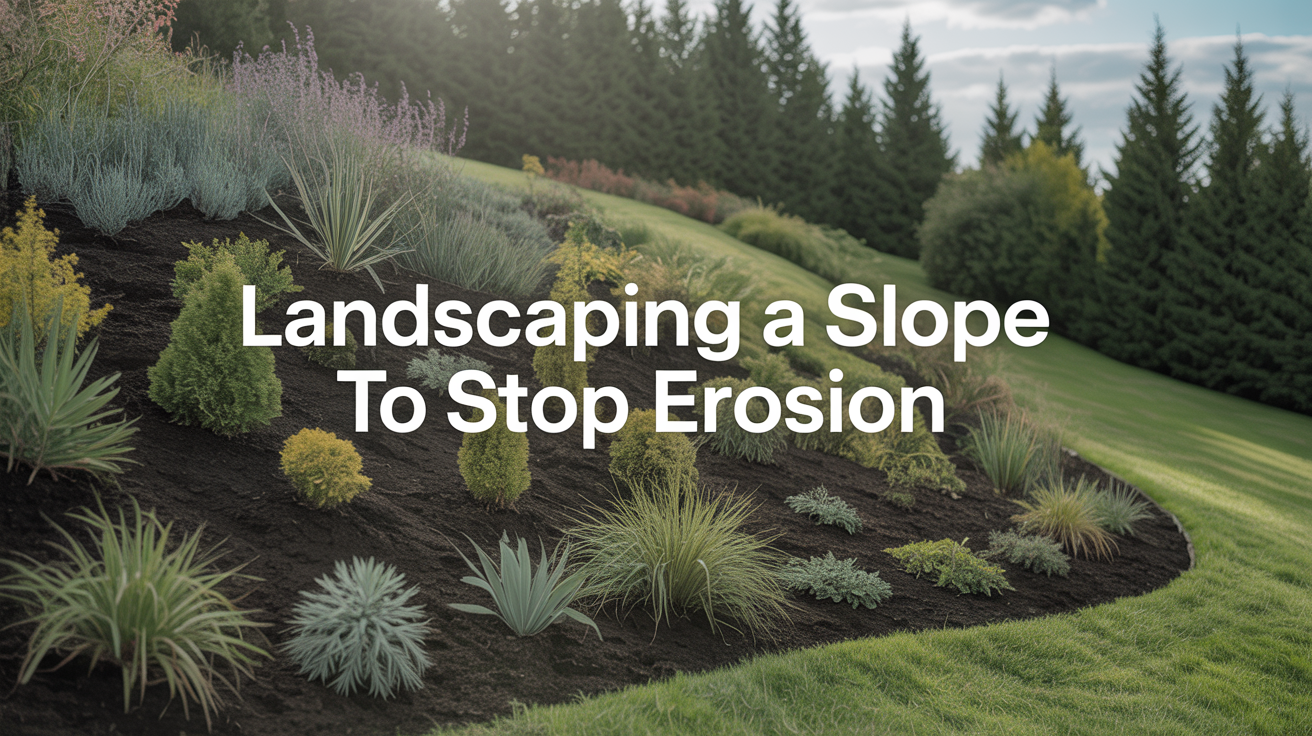
A slope that sheds topsoil every time it rains is one of those yard problems that quietly gets worse. The bare patches grow, the runoff picks up speed, and eventually the soil at the base turns into a muddy mess. The fix is straightforward in principle: slow the water, hold the soil, and get roots in the ground. This guide walks through how to landscape a slope so the erosion stops and the hillside actually looks like part of your yard.
Understand What Your Slope Is Doing
Before you plant or build anything, spend a few minutes watching the slope during rain or after you run a sprinkler. Water follows the path of least resistance, and that path tells you where to focus first.
A gentle incline (less than about 10 to 15 percent grade) can usually be stabilized with ground covers and mulch alone. Steeper grades are more aggressive about moving soil and may need structural help, like a small retaining wall or terraced beds, before planting will stick.
Also check what kind of soil you are working with. Clay soils compact and shed water rather than absorbing it, which speeds runoff. Sandy soils drain quickly but hold almost no moisture for plants under stress. Both situations call for organic matter worked into the planting area before you get started.
One more thing: note whether the water is running straight down or cutting across the slope in channels. Channels mean concentrated flow, which is harder to manage with plants alone. That is a sign to think about redirecting the water path with a swale or French drain before you plant.
Structural Options for Steeper Slopes
On a grade much above 20 percent, plants are fighting an uphill battle (so to speak) until the physical movement of soil slows down. A few structural tools can make a big difference.
Retaining walls. A low wall, even 12 to 18 inches tall, breaks the slope into level steps and dramatically reduces the speed of surface runoff. Stacked stone, timber, or interlocking block all work. Keep walls under about 3 feet high if you are building yourself; taller walls need professional assessment for drainage and load.
Terracing. Instead of one large wall, you can terrace a slope with a series of small level beds stepping down the hill. Each terrace captures rain before it can gather momentum. The flat beds are also much easier to plant and maintain.
Swales. A swale is a shallow, gently sloping channel cut across the hillside that redirects water sideways off the slope rather than letting it race straight down. They can be left as grass or planted with water-tolerant species.
Erosion control fabric. Jute netting or coir matting pinned over bare soil acts as a physical barrier that holds loose soil while new plants establish. It is biodegradable, so it breaks down over a season or two as roots take over. This is especially useful right after you plant and before ground covers fill in.
Choosing the Right Plants for Erosion Control on a Hill
Plants do the long-term heavy lifting when it comes to stopping soil washing away. The key is matching plant type to slope conditions and then getting enough root mass in the ground to create a living mat.
What matters most:
- Root depth and spread. Deep or fibrous roots anchor soil far better than shallow ones.
- Density at ground level. Dense foliage slows the impact of raindrops directly hitting bare soil.
- Drought tolerance. Slopes drain fast and often dry out between rains; plants that can handle that stress stay in place longer.
A quick reference for common slope plants by condition:
| Condition | Plant options |
|---|---|
| Sunny, dry slope | Creeping juniper, ornamental grasses, native wildflowers |
| Partly shaded slope | Hostas, pachysandra, native ferns |
| Moist area at base of slope | Switchgrass, inkberry, native sedges |
| Rocky or thin soil | Creeping thyme, sedum, stonecrop |
| Full shade | Vinca (check invasiveness in your region), ajuga, wild ginger |
Ground covers for spots where grass won't grow covers many of these in more detail if you want to dig into the specific options for low-light or difficult areas.
Avoid planting individual specimens spaced far apart on a new slope. Bare soil between plants is still exposed and will erode until the plants spread. Start with closer spacing than you would on flat ground, or fill gaps with straw or erosion fabric while roots establish.
How to Plant on a Slope (and Get Plants to Stay Put)
Planting on a slope is a bit different from flat-ground planting. Water runs past rather than soaking in, so plants dry out faster early on. Here is a practical sequence that works.
- Rough up the surface before planting. Smooth, compacted slopes shed water. Break up the top few inches with a mattock or garden fork so there is some texture for water to catch in.
- Dig individual pockets level with the slope. Create a small flat shelf for each plant so water pools at the base of the stem rather than running past it.
- Amend as you go. Mix a handful of compost into each planting hole. This is especially worth the effort on clay or very sandy soils.
- Firm plants in well. Loose roots on a slope mean the first rain will tilt the plant or expose the root ball.
- Mulch immediately. A 2 to 3 inch layer of mulch holds moisture and slows surface runoff. See how to mulch garden beds the right way for guidance on depth, material, and avoiding the common mistakes.
- Water slowly after planting. A slow trickle at the base of each plant gives water time to soak in. Hard watering right after planting can dislodge new transplants and undo your work.
If you are planting grass seed on the slope rather than transplants, pin straw erosion blanket or seed mat over the seeded area. Bare seed on a slope will wash away before it germinates.
Maintaining the Slope After It Is Planted
Getting plants established is step one. Keeping them there through seasonal stress is what actually solves the problem long term.
Watering the first season. New plantings on slopes need more frequent watering than the same plants on flat ground. Check soil moisture every few days during the first two months; if the top inch is bone dry, water slowly at the base.
Keeping edges tidy. A neat edge where the slope meets a lawn or path not only looks better but prevents grass from creeping into planting areas and competing with your erosion-control plants. For tips on making that edge clean, how to edge a lawn for a clean, crisp border covers the right tools and technique.
Refreshing mulch. On a slope, mulch compresses and breaks down faster than on flat ground. Top it up each spring to maintain that 2 to 3 inch depth. Avoid piling mulch against plant stems.
Watching for bare spots. After a heavy rain or a hard frost, walk the slope and look for areas where soil has moved or plants have heaved out of the ground. Address those spots quickly before erosion channels start forming. Firm any heaved plants back in, add mulch, and fill gaps with additional plants or erosion fabric if needed.
Pulling weeds early. Weeds on a slope are easier to remove when small. Once they go to seed or develop deep taproots, they compete directly with the plants doing your erosion-control work.
Frequently Asked Questions
How steep is too steep to plant without structural support? There is no universal cutoff, but slopes above about 25 to 30 percent grade are difficult to stabilize with plants alone, at least in the first year or two. On very steep ground, even well-mulched planting areas can be scoured by heavy rain. A low retaining wall or terracing breaks the problem into smaller sections that plants can handle more easily.
Will grass hold a slope as well as ground covers? Turfgrass does establish fibrous roots that help control erosion, but it has a few limitations on slopes. It is harder to mow safely on steep ground, it can thin out on shaded or very dry hillsides, and it does not form the same dense canopy that low-spreading ground covers do. For moderate slopes with good sun, turf works. For anything steeper or shadier, a spreading ground cover or mix of low shrubs and ornamental grasses usually outperforms it.
Can I use straw bales to control erosion on a slope? Straw bales are sometimes used as temporary check dams across a slope to slow runoff and let sediment settle. They are not a long-term fix, but they can buy time while you install plants. If you use them, stake them securely across the slope (perpendicular to the water flow, not down the hill) and plan to replace them after a season.
How long does it take for plantings to stop erosion noticeably? Most ground covers and low shrubs show meaningful root spread within one growing season. The second season is usually when they fill in enough to cover most bare soil. The first season, erosion fabric or straw mulch is doing a lot of the work alongside the plants. By year two or three, a well-chosen planting will largely manage itself.
Is it worth hiring someone for retaining walls on a steep slope? For walls under about 3 feet, most homeowners can build with stacked stone or interlocking block following manufacturer guidelines. For anything taller, or if the slope retains significant weight behind it, a landscape contractor or structural assessment is worth the cost. Walls that fail on a slope can move fast and cause real damage.